






Description
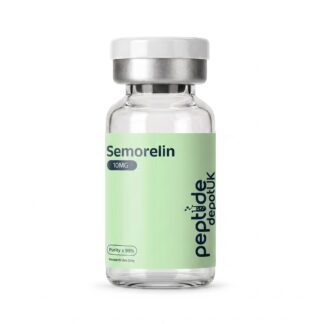
Sermorelin
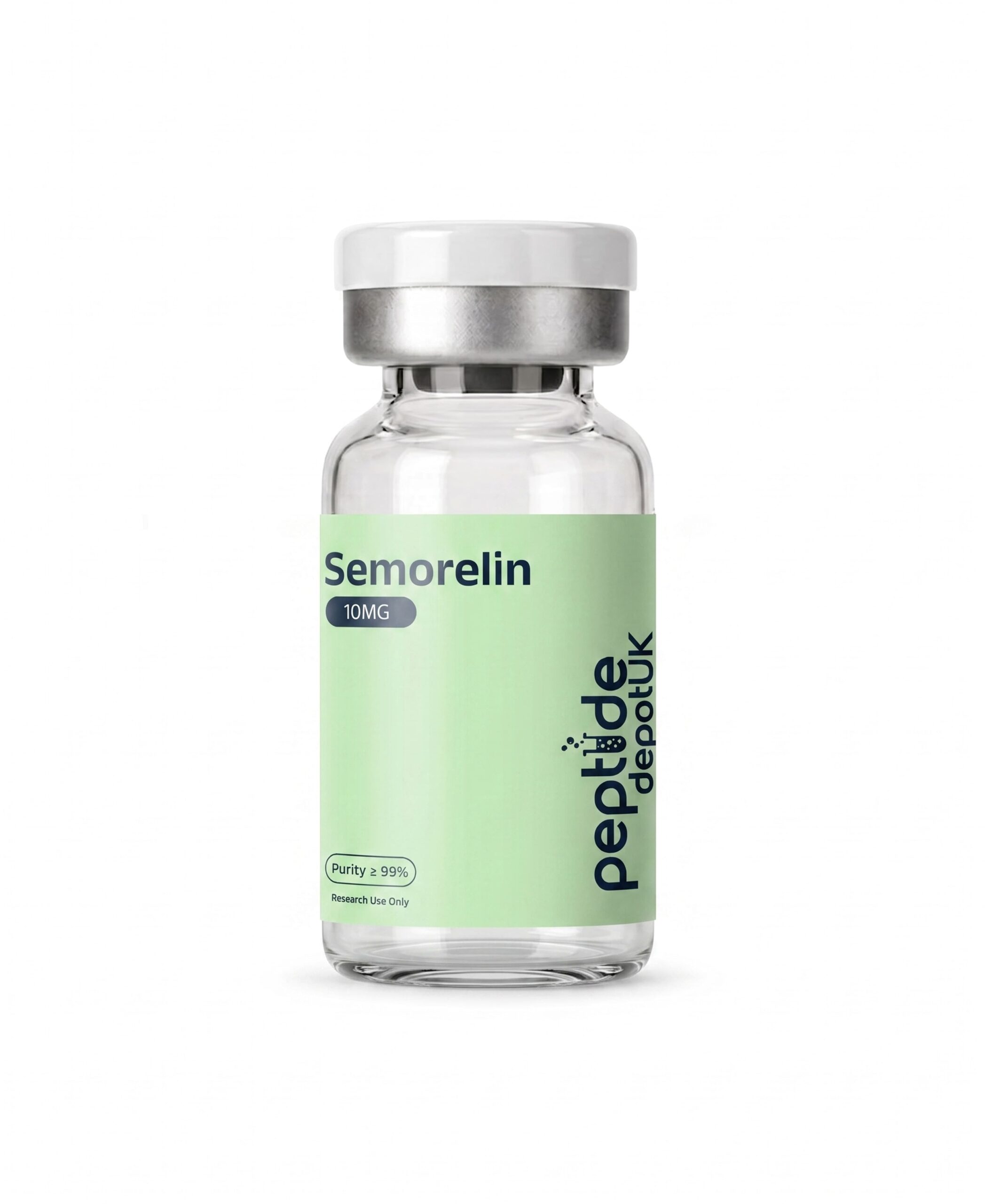
Sermorelin is a synthetic replica of the first 29 amino acids of GHRH, the signal the brain sends to prompt the pituitary gland into releasing growth hormone. It’s the shortest GHRH fragment that still fully activates the GHRH receptor, which makes it a well-established tool for research into physiological GH stimulation. Rather than introducing GH directly, sermorelin prompts the body to produce its own, leaving the natural feedback loop intact.
Key research findings
- Research confirmed sermorelin doesn’t override the hypothalamus’s own regulation of GH, growth hormone still rises and falls in its normal physiological rhythm instead of staying constantly elevated the way direct GH administration would cause (Vittone et al., 1997)
- In human subjects, intravenous administration produced a distinct GH pulse peaking 20 to 30 minutes after dosing, pharmacodynamic data that underpins its use as a diagnostic challenge test for assessing GH deficiency (Vittone et al., 1997)
- In studies involving older male subjects, sermorelin raised both serum GH and IGF-1 levels, alongside measurable shifts in body composition, gains in lean mass and reductions in fat mass, making it relevant to research on age-related decline in the GH axis (Vittone et al., 1997)
- Pharmacokinetic studies pinpointed rapid enzymatic breakdown by DPP-IV as sermorelin’s core limitation (half-life of roughly 10 to 20 minutes), a finding that drove the development of longer-acting GHRH analogues such as tesamorelin and CJC-1295 with DAC (Laron & Frenkel, 2004)
For research use only. Not intended for use in humans or animals.
References
Laron, Z., & Frenkel, J. (2004). https://pubmed.ncbi.nlm.nih.gov/15139958/
Vittone, J., et al. (1997). https://pubmed.ncbi.nlm.nih.gov/9453680/